
The Growing Role of Artificial Intelligence in Modern Workplaces
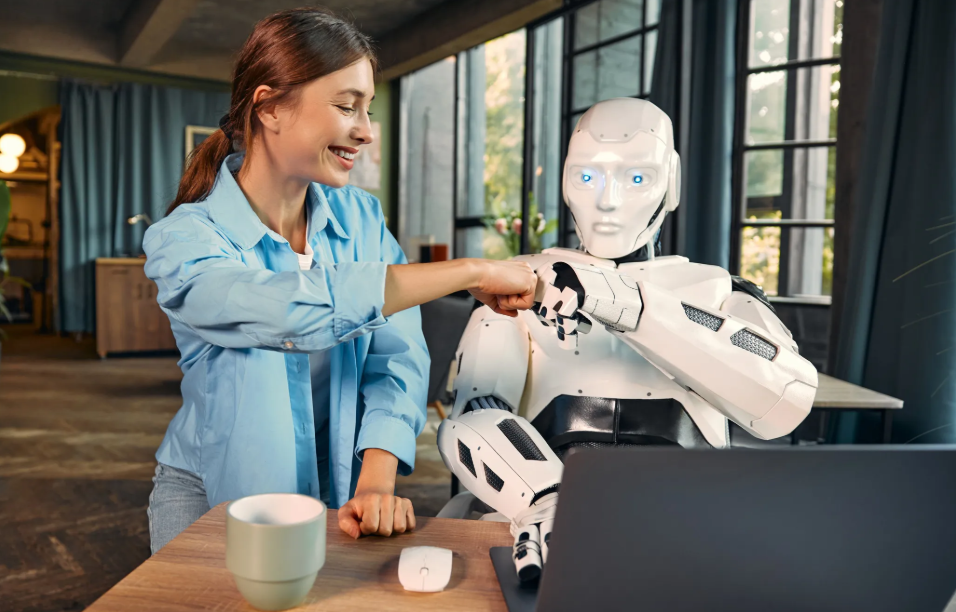
Artificial intelligence has become an important part of the modern technology landscape. Businesses in many industries are exploring AI tools for tasks ranging from information analysis and customer support to content processing and workflow automation. Rather than being limited to specialized laboratories, artificial intelligence is increasingly becoming part of everyday professional environments.
One reason businesses are interested in AI is its ability to process large quantities of information quickly. Employees may spend considerable time reviewing documents, organizing records, identifying patterns, or preparing routine reports. Software powered by AI can assist with some of these activities, allowing workers to spend more time on tasks requiring judgment, communication, and creativity.
Customer service is another area experiencing significant technological change. AI-powered systems can answer common questions, provide basic information, and direct customers toward appropriate resources. When used correctly, these systems can operate outside traditional office hours and reduce waiting times for simple requests.
See also: Gaseping com || gaseping
AI is also changing how companies approach data. Modern organizations generate information through websites, applications, transactions, customer interactions, and internal systems. Artificial intelligence can help identify relationships within these large datasets that may be difficult to notice manually. Such analysis can support planning and help businesses understand patterns in customer behavior.
However, implementing AI successfully requires more than purchasing software. Organizations need clear objectives and appropriate human oversight. An automated system can produce inaccurate or incomplete results, especially when the information it receives is poor or biased. Employees should understand the limitations of the technology rather than treating every automated output as unquestionably correct.
Workforce development is another important consideration. As technology changes professional tasks, employees may need opportunities to learn new digital skills. Training can help workers understand how to use AI responsibly and how to combine automated tools with human expertise.
Privacy and security also deserve attention. AI systems may process sensitive business or customer information, so companies need appropriate safeguards for data handling. Clear policies can help employees understand what information should and should not be entered into particular tools.
The future of workplace AI is unlikely to be based entirely on replacing people. In many situations, the more practical approach is collaboration between humans and technology. Machines can handle repetitive processing while people provide context, creativity, empathy, and strategic judgment.
Artificial intelligence is therefore becoming more than a technological experiment. It is developing into a workplace tool that can influence productivity, communication, analysis, and decision-making. Businesses that approach it carefully, with realistic expectations and responsible practices, can explore its benefits while managing its limitations.
One Comment