
How to Create a More Energy-Efficient Home
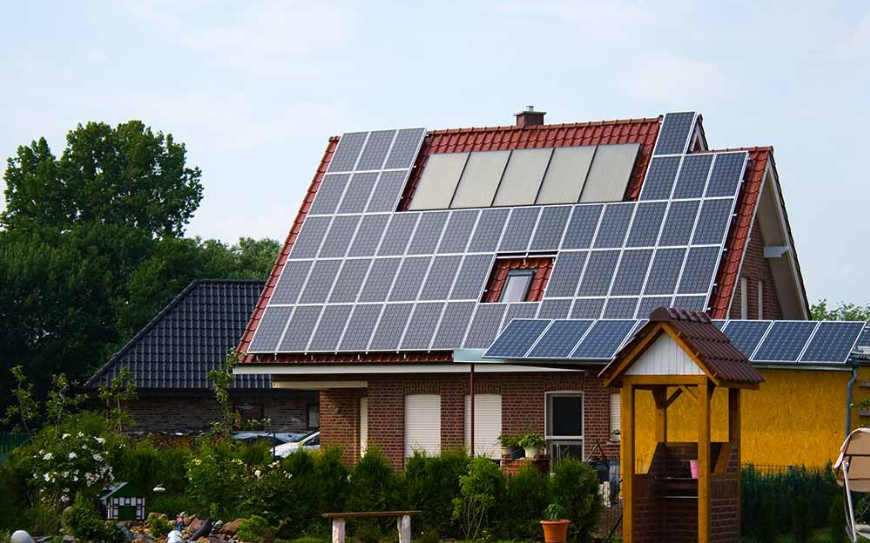
An energy-efficient home can be more comfortable to live in while potentially reducing unnecessary energy consumption. Improving efficiency does not always require expensive technology or a major renovation. Many useful changes begin with understanding where energy is being used and addressing the areas that create avoidable waste.
Begin With an Energy Check
Before making improvements, examine how the home currently uses energy. Look at heating, cooling, lighting, appliances, water heating, and insulation.
Some homes lose significant amounts of conditioned air through gaps around doors and windows. Others may rely on older appliances or inefficient lighting.
Identifying the biggest sources of consumption helps homeowners prioritize improvements rather than spending money randomly.
Seal Common Air Leaks
Small gaps around windows, doors, pipes, and other openings can allow outdoor air to enter and conditioned air to escape.
Weatherstripping and suitable caulking can help address some common leaks. Larger problems may require professional assessment, particularly when gaps involve structural areas or difficult-to-access locations.
See also: Gaseping com || gaseping
Improve Insulation
Insulation helps slow the transfer of heat between indoor and outdoor spaces. The appropriate type and amount depend on the home’s construction, climate, and location.
Attics, roofs, walls, and floors can all play a role in thermal performance. Improving insulation can be particularly valuable in homes where indoor temperatures change quickly when outdoor conditions change.
Upgrade Lighting
Traditional lighting can often be replaced with energy-efficient LED bulbs. LEDs generally use less electricity than older incandescent lighting and are available in many brightness levels and color temperatures.
Homeowners can also reduce unnecessary electricity use by installing timers, motion sensors, or smart controls where appropriate.
Maintain Heating and Cooling Equipment
Heating and cooling systems work more effectively when properly maintained. Dirty filters, blocked vents, and neglected equipment can reduce performance.
Regular maintenance can help identify problems before they become more expensive. System settings should also be adjusted according to household comfort rather than automatically keeping rooms at extreme temperatures.
Use Appliances More Efficiently
Simple changes can affect appliance energy use. Running dishwashers and washing machines with full loads, using appropriate settings, and avoiding unnecessary operation can reduce waste.
When replacing appliances, homeowners can compare energy-efficiency information before purchasing.
Consider Water Heating
Water heating can be a significant household energy expense. Insulating accessible hot-water pipes, repairing leaks, and avoiding unnecessarily high water temperatures can improve efficiency.
Low-flow fixtures can also reduce hot-water demand by using less water during showers and other activities.
Think About Windows
Windows can influence both heat gain and heat loss. Depending on the climate and existing construction, improvements might include weatherstripping, window treatments, glazing upgrades, or replacement windows.
However, replacing every window is not always the most cost-effective first step. Other improvements, such as sealing air leaks or upgrading insulation, may deserve attention first.
Plan Improvements Around the Home
Energy efficiency works best as a complete strategy. A highly efficient appliance may provide limited benefit if the building has major insulation or air-leakage problems.
Homeowners can prioritize changes based on the home’s condition, local climate, budget, and expected long-term benefits. Small improvements made systematically can create a more comfortable and efficient living environment without requiring a complete reconstruction.
One Comment